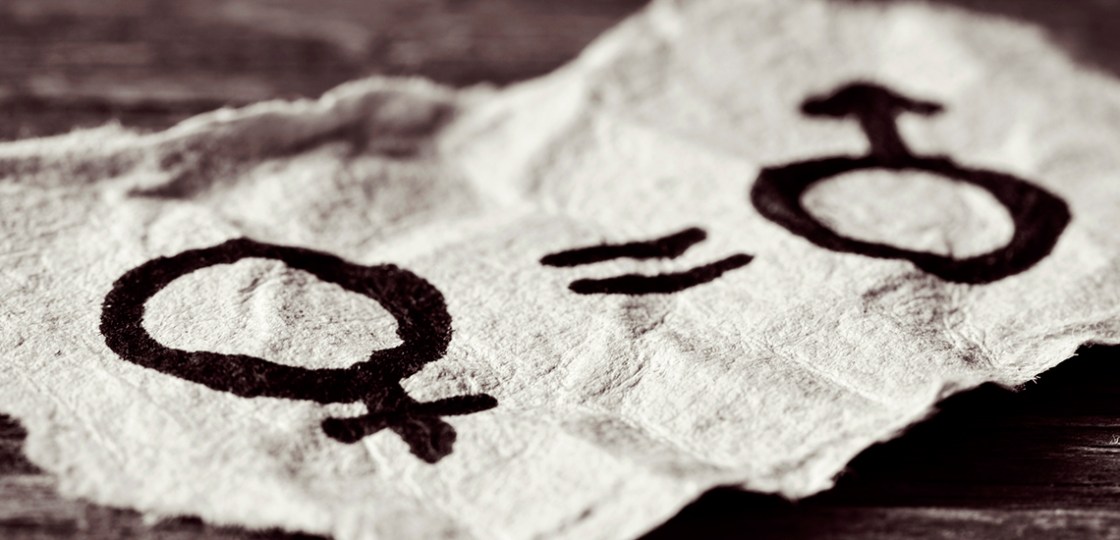
We often speak of gendered stereotypes and the harm that they do towards the growth, development and lives of women across the world. What we fail to adequately delve into further is the damage that these rigid gender norms tend to have on boys and men as well. It’s easy to see that toxic masculinities are an inherent threat to women, especially through pack mentalities and the exertion of physical dominance, entitlement and patriarchal power leading to violence. What is just as perilous within these inequalities are the ease at which expressions like ‘man up’ and ‘don’t be a pussy’ are uttered. What all of this represents is that notions of aggression and toughness are being force fed to young men over compassion, expression and collaboration. And what is worse is that these ill conceived concepts are being tied up to the ideal of what it is to be a man or display manly, male or masculine traits. I assure it however, that it is not.
I would assume that everyone has heard of the term ‘hegemonic masculinity’. For some a misconception exists in their minds when this notion is uttered. There are people who incorrectly believe that hegemonic masculinity or toxic masculinities represent an accusation against the ‘maleness’ as a whole. If you are thinking this right now, I am sorry to say that you would be wrong. This reference point does not suggest that ‘masculinity’ is the problem per say. In actuality it identifies that the predominant form of masculinity being practiced, one that systematically subordinates women, promotes aggressive behaviour and wields entitlement and homophobia is the form that needs to be redressed.
This type of masculinity is patriarchal, promotes male entitlement and excess and is in fact a threat to men’s health and well-being just as much as it is to women. In order to change this dimension we need to stop telling boys and men to ‘control their emotion’s, to not display ‘emotional weakness’ and to ignore their emotional wants and needs. In flipping the narrative consider how girls are nurtured to maintain their emotional expressiveness and promotion of cultivating their connections with others while boys are told to suppress everything that is associated with ‘feelings’. Taking this one step further the mere act of suppression for boys and men is supposed to be how their manliness in essence is measured upon. I saw a quote the other day which stated something along the lines of that ‘we are short changing our boys and men’ by defining their masculinity in such a narrow way as to constrict the very essence of their humanity which is in fact quite complex.
When speaking of the redressal of masculinity it is important to also address the need to change what it is that femininity is associated with. The entire ideal that measurement of a woman’s worth is wrapped up in judgments of her perceived femininity is damaging to say the least. We have been teaching young girls to value thinness, sexual purity, virginity and a ‘seen but not heard’ mentality. Thus being an idea in which women are passive bystanders in development of their own lives.
The truth is however that masculinity and femininity are social constructs which have been framed in light of the patriarchal world we live in. One in which control and subversion of women’s agency has dictated that young women are taught that their voices have no value and therefore are not to be heard. One in which boys are told they must ignore the feelings within their hearts and instead display a version of aloofness and toughness that is pushing them to the very edge of their own well-being. Surely we can no longer ignore the evidence which shows that men are more susceptible to suicide in this country by which “over the past 10 years, the number of suicide deaths was approximately 3 times higher in males than females”. In addition to this “In 2016, 75.1% of people who died by suicide were male”.
We cannot continue to live in a culture in which we force young men to swallow their feelings. The negative effects on their mental health are difficult to properly assess and describe. We are all human beings, which means that we are complex and messy. We all feel, we all love and we all doubt ourselves. By taking away the ability of men to express themselves and deal with these emotions as they arise we are taking away the ability for them to be the best versions of themselves that they can be. The notion of hegemonic masculinity which is pervasive right now does not have to continue to exist. But in order for this element to be abolished, for gender equality to be achieved men (and women for that matter) need to understand that we need to shift the understanding of what it is to be a man or a woman in this world of ours.
End. – Day 15.
*Statistics drawn from: http://www.mindframe-media.info/for-media/reporting-suicide/facts-and-stats
 I blog for Change.