
The ‘immigrant experience’ is a concept which over time seems to have amalgamated the lives, the stories, the identities of all those who have left one country, usually in the Global South and moved to what has been known as the ‘developed world’. For most of us though neo-colonialism has meant that our lives are still lived in the shadow of this perceived difference; because of our skin colour, because of our ‘exoticness’.
When I was younger I didn’t quite understand why it was that I shied away from openly identifying with Sri Lankan traditions. As an adult I can now look back and see that without even realising it I was attempting to wash away my migrant identity as if my skin colour could be erased with the simple combination of soap and water. I so desperately wanted to fit in to be quintessentially ‘Australian’. I wanted to be like everyone else even though I was reminded each and every day that my belongings smelt like curry and my parents accents made them ‘difficult to understand’. I remember wondering whether there were 2 versions of English which actually existed, one uttered by Caucasian people and the other, obviously somehow butchered version spoken by us immigrants.
Even though back then people believed that none of these things identified to me were done so in a malicious way, the only thing I could think about was that my parents still spoke two languages fluently, how many did these people with their so called perfected linguistic skills speak? I often imagined myself as some second rate class of ‘Australian’ because if this wasn’t the case, why couldn’t I see any one that looked like me when I turned on the television or opened up a magazine? Why was it that when people asked me where I was from, saying ‘Australia’ just wasn’t enough. Why did they have to press and question “but where are you really from; I mean, did it matter? I so often pondered why it was that people continued to tell me that I was lucky to have ‘escaped’ my beautiful island homeland. Like they already knew my backstory and hadn’t just assumed I was just another poor, brown faced migrant. Did they not understand how proud I was of my motherland? Did that mean I had to shy away from all the wonderful things of my country because I was now ‘Australian’; albeit a second class one.
What is it in people’s mindsets that determines those assumptions as soon as they see my skin colour, as soon as they read ‘birthplace: Colombo’. Do they not understand that they continue to live out the white savior complex that colonising other peoples countries and erasing their histories glorified all those years ago?
See colonialism in the Western world is never really viewed for what is actually was. People so easily tend to parrot perverted rhetoric around how these periods of colonisation gave those who were colonized so many beneficial things. As if our cultures were never rich prior to their arrival. As if we were nothing before them. I remember oh so distinctively the day when my teenage peer in high school asked me why my parents and I returned to Sri Lanka so often. She looked at me bewildered and asked ‘are there shopping centres in Sri Lanka, is there even electricity..?’
Looking back it’s easy to see where the misconceptions come from. It derives from a deep seated and pervasive whitewashing of history in general. It comes from the ever present thought that without these ‘saviours’ brown people everywhere would be in decline. We would never educate ourselves enough to rise above our lowly state that we were born into as people of colour. But we were something before their arrival. Our cultures flourished, our pride was seen in our traditions, in the way we lived out dreams and gave thanks to our ancestors. Their arrival took so much from us.
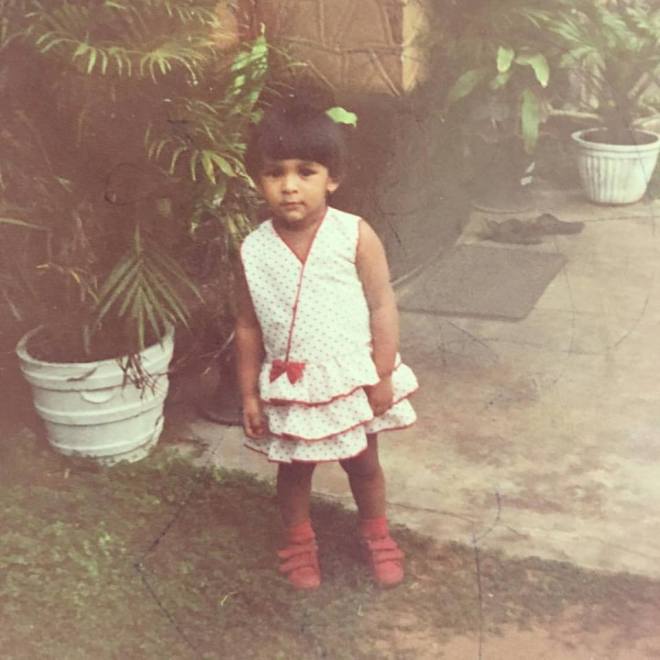
In my home country of Sri Lanka alone, the British colonisers who were attempting to ‘save the souls of the savages’ decimated our identity. They fractured our people and wielded the divide and conquer tactic which is responsible for so many civil wars in the lands they touched, and inevitably destroyed. It was the sparking point for the civil war that drove my family and so many others of Sri Lanka in the late 80s and early 90s. See my parents never wanted to leave their beautiful country. They dreamed of raising me, their child by the beach, on the warm golden sands with the Indian Ocean blowing its salty winds across our faces. But they were robbed of that chance, of the ability to make that memory by a conflict that was sown by the colonisers themselves in order to solidify their own power.
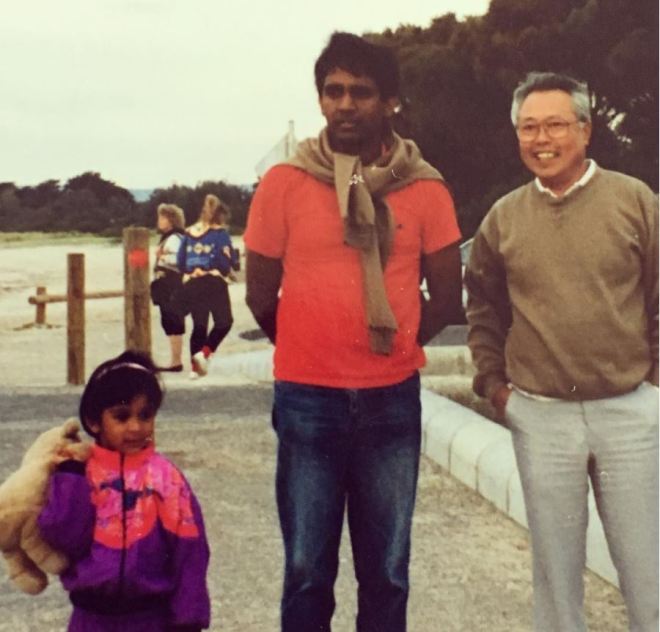
In 1990, my parents left the safety and the security of their home, of all they had ever known to embark upon a country that had only a decade before ended its so called ‘White Australia Immigration Policy’. What they were met with was a struggle, every single day, to convince people that were Australian, even 28 years after they had arrived.
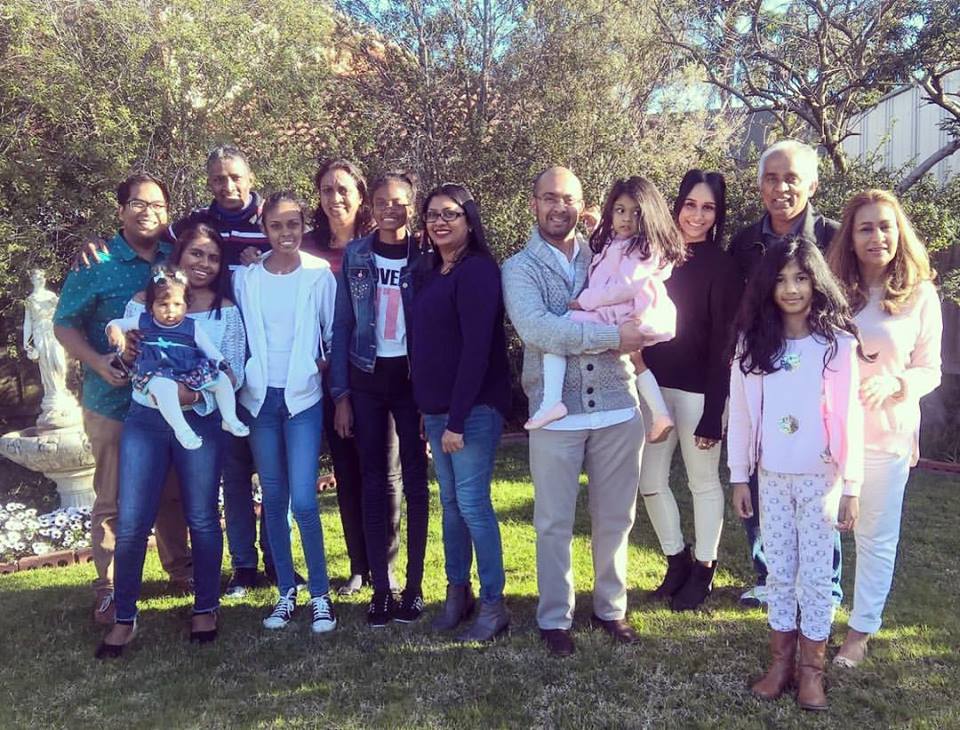
So that’s my family’s ‘migrant story’. You’ll note that it won’t be the same as someone else’s. That just the nature of identity and the varying aspects of culture make these tales different. It’s important to remember that my family’s story is unique, our lived experience is different from others. We came to Australia to pursue a better life, but that doesn’t and never has meant that we have had to hide where we came from in order to assimilate. We are proud of our unique story, of background, of our dual nationalities. Each which doesn’t make us any less Australian.
 I blog for Change.