
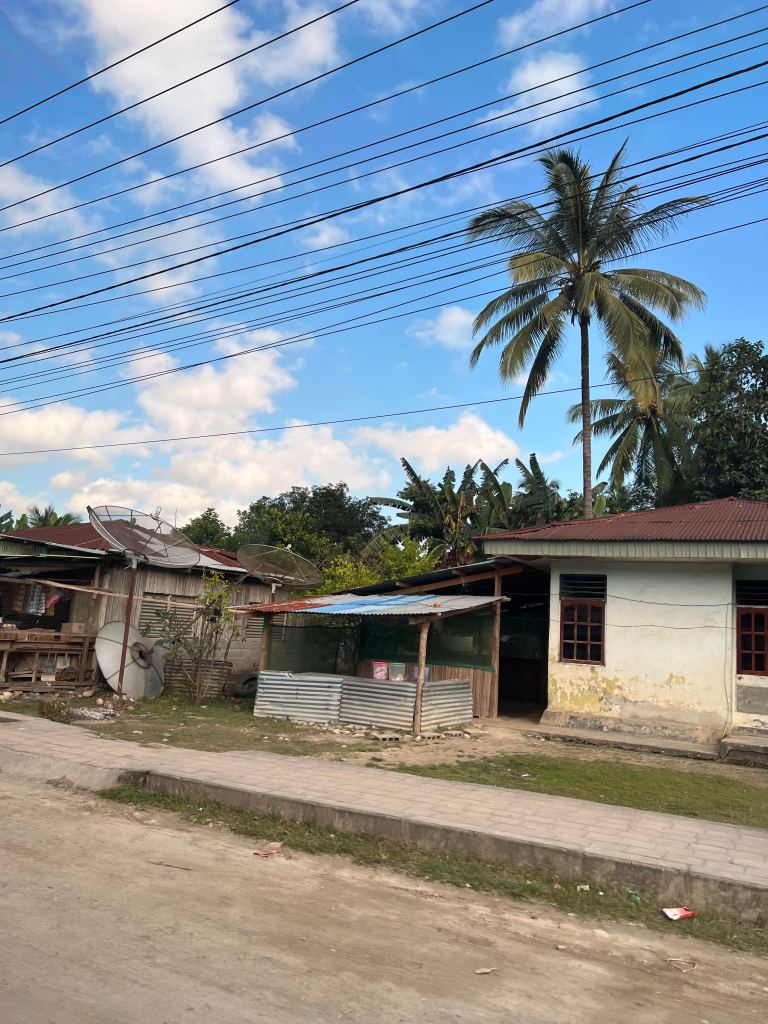
Viqueque, 2023. 


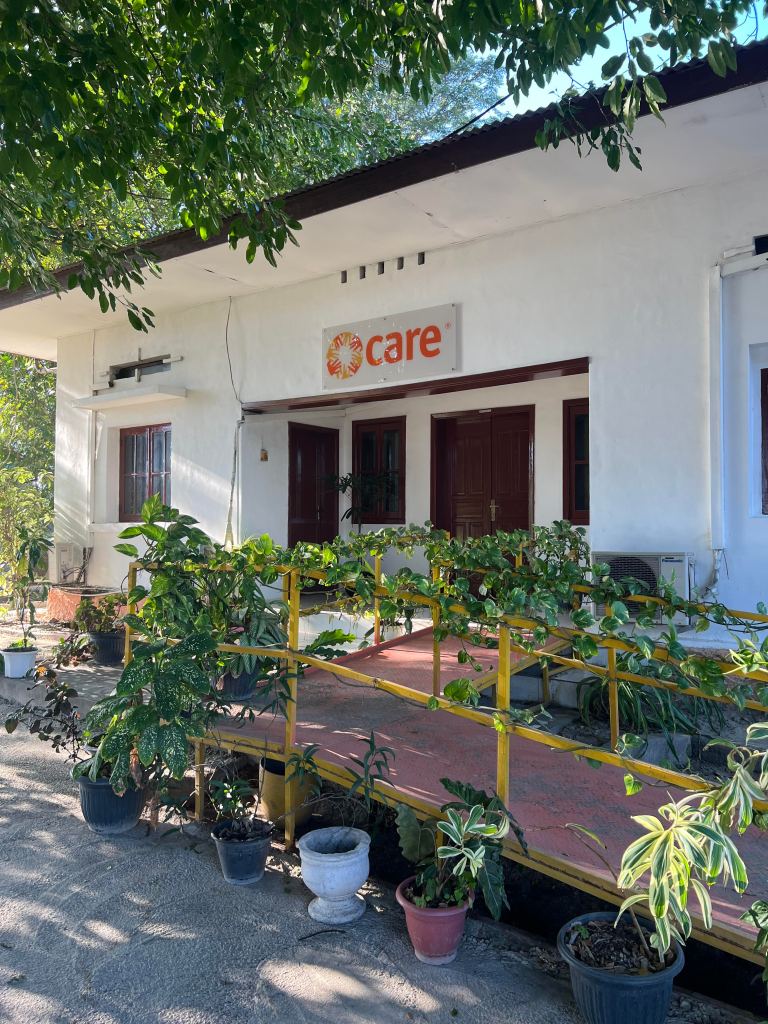
It had been four long years since I’d travelled overseas for work. A career pivot and the onset of the COVID-19 pandemic had meant that I had lacked opportunities to go out and visit the colleagues I had been working so closely with, over video calls, for the entirety of our interactions. It had also meant that I hadn’t been able to see, in person, the programs that my team had been managing during this time. To say that I was excited before embarking on this trip would have been an understatement. The truth was that prior to this I had been feeling for some time that I’d lost my spark and the connection to the work that I oversaw. For years it had felt like I just sat at my desk, in what felt like a lacklustre corporate gig, simply pushing emails around. I sensed that my motivation was slipping more and more because I was so far away from the impact that was being achieved at grassroots level. Hence why I truly understood the importance of my upcoming trip and I was hoping that it would reignite the passion that has kept me committed to this work for so many years prior.
As soon as I landed in Dili and was driven from the airport I sensed an immediate feeling of familiarity of being back to a tropical, Global South country with people that looked a little like me. The only way I can describe the feeling is that sensation when you let out a massive breath of air and immediately feel reinvigorated. At the same time I also understood that the familiarity was based on a sense of falsehood as just because I felt that sensation, it didn’t mean that I understood the local context. Timor Leste itself has a long and complex history which saw the independent nation only borne into existence in the early 2000’s. The country, once known as East Timor, prior to its independence had been occupied by the Portuguese till the 1970’s and was then annexed by Indonesia until a UN brokered handover. Being such a young and developing nation this has meant that development challenges are compounded by a lack of investment in infrastructure. In addition to this, the post conflict setting has meant the nation also has very high gender based violence rates.
The reason why I was in Dili in the first place, was to undertake a monitoring visit to our Disaster Risk Reduction project, Disaster READY which is funded by DFAT. The project is in its second phase and aims to continue to build local community knowledge and skills to ensure that they are better prepared for disasters when they strike. One of the newer elements of the project is focused on establishing Village Savings and Loans Associations (VSLAs). During my time in Timor I visited a VSLA in Ossu which is in the Eastern part of the nation. Here I met with the 20+ participants of a VSLA, whose leader was a young woman who had also gained access to leadership and financial management training as a result of the initiative. The overarching set up of the VSLA sees identified group members paying a small entrance fee which is invested in the association and ongoing monthly contributions. As myself and my CARE Timor Leste colleagues sat with the group members, they explained to us the difference that the VSLA is making in their individual lives. Almost all of the group members had accessed loans for varying purposes including, paying for school fees for their children, using funds to pay for medical procedures, as well as, using funds to start small scale business ventures.
As we continued to speak to the group members they also identified the communal benefits of the venture. One of the men in the group shared that he was less likely to spend his savings by investing them in a community mechanism. This is as opposed to saving at home, in which he could easily access available funds. Within the VSLAs, all money is put into a safe which is housed by a group member and keys to the safe are shared between 2 separate group members. Meaning that all 3 need to be together in order to open the safe and distribute funds. Towards this the group members spoke of the mutual trust that they had developed as a result and highlighted the importance of these funds as acting as a quickly accessible social safety net for when they need it. The funds are also made available for group members if their houses are damaged by floods or natural disasters which are common in Timor Leste. By far the most overwhelming response to the question posed to group members about the benefits of their group focused on the members having invested their own savings which contributed to a community mechanism when needed. This has enabled a sense of pride and dignity to group members within the process.
The other highlight of the trip was a dinner that was had with local field staff in Viqueque. Where as soon as I entered into the space where I would be sharing a meal with my colleagues, there was an abundant sense of joy and welcoming that made me feel like I was part of the extended family. I remembered the difference that sitting down and eating with people makes. I also recalled the sense of kinship that I felt with female colleagues in the field. The feeling of sisterhood, of being amongst other women who are from completely different backgrounds, who have had different life experiences but who as women, we share a similar underlying oppression. Although our everyday battles may look different, the fact that we still have to fight them allows us a sense of togetherness and shared belonging. These women warmed my heart, which had hardened after years of isolation and time away from the field and local colleagues. They provided me with proverbial gifts that I will draw on in the years ahead. I’ll always remember their laughter, the endless amount of selfies we took and the joy I felt within this group.
There were so many more memories that occurred on this trip. The conversations that happened along the way were invaluable and allowed me to connect with people once again in this way. In my travels, in my conversations with colleagues and community members alike I was reminded of why I do what I do. Of why I toil so hard everyday in what seems like the mundane. I do all of that in order to support the work that happens on the ground. All of this has become such a tangible part of my identity and within this trip I was allowed the space to remember that. I felt more like myself in the time that I spent in Timor Leste than I have in years and for this I will be forever grateful.
To Timor Leste, you allowed me to find my passion once again. From the bottom of my heart, Muito Obrigada!

 I blog for Change.